
July 24, 2026
Concrete rarely sinks overnight. Most settlement happens gradually, making it easy to ignore the warning signs until the problem becomes impossible to miss.
Unfortunately, waiting too long can lead to larger repairs, increased safety concerns, and more extensive damage. Recognizing the early signs of settlement allows homeowners to address issues before they become major headaches.
Here are some of the most common indicators that your concrete may need lifting.
One of the easiest signs to spot is a sidewalk that no longer sits level.
When one panel sinks lower than the next, it creates a trip hazard that can become dangerous for family members, guests, and visitors.
Even a small height difference can become a liability issue and often worsens over time if left untreated.
Concrete lifting can often restore these panels to their original position without replacement. You can read more about this on The Difference Between Concrete Lifting and Replacement.
Water should drain away from concrete surfaces, not collect on them.
If puddles remain long after a rainstorm, settlement may be affecting the slope of the slab.
Poor drainage can lead to:
Concrete leveling can restore proper drainage and help prevent further damage.
Not every crack means a slab needs lifting. However, cracks combined with settlement often indicate support problems below the concrete.
Watch for:
These signs often point to movement beneath the slab rather than simple surface wear.
Driveways are constantly exposed to heavy loads and weather conditions.
If portions of the driveway begin sinking, you may notice:
Polyurethane concrete lifting can often restore these sections without removing the entire driveway.
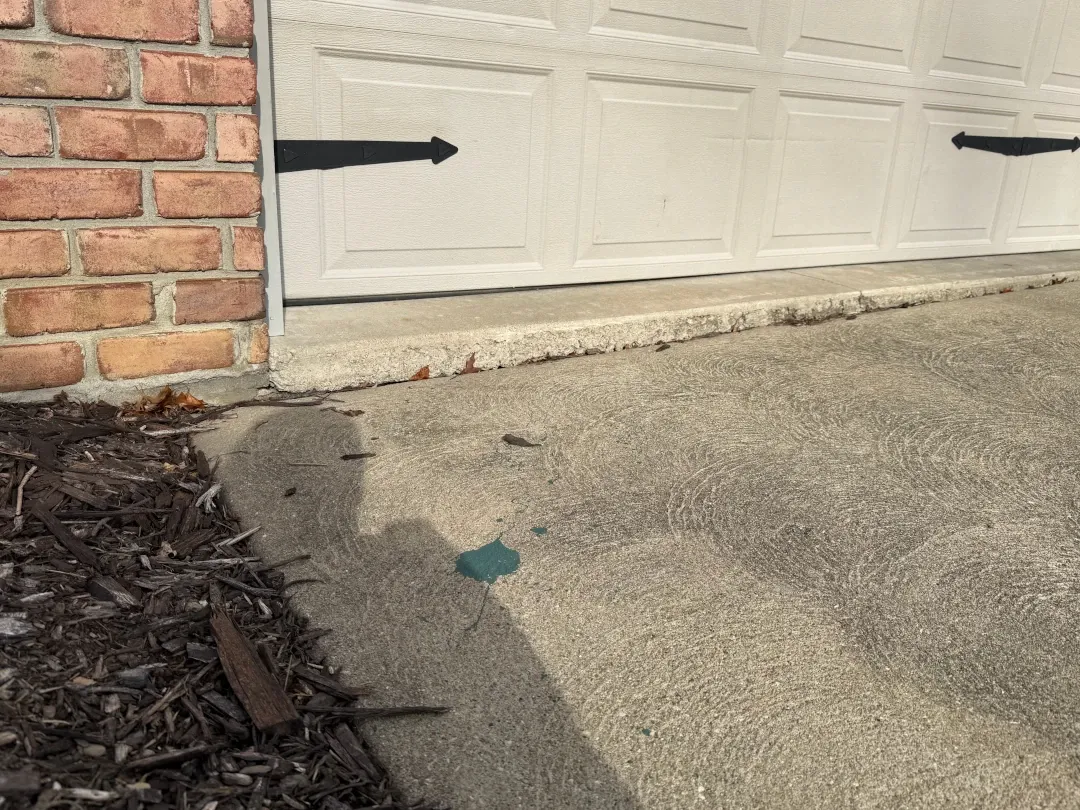
Garage floors can settle for many of the same reasons as exterior slabs.
Signs include:
Addressing settlement early helps prevent additional structural concerns.
Patios often settle due to poor drainage or soil movement around the home.
When this occurs, homeowners may notice:
Concrete lifting can restore usability while improving drainage around the home.
Settlement around entryways creates both safety and appearance issues.
Look for:
These issues rarely correct themselves and typically continue worsening.
While many people associate concrete lifting with exterior surfaces, basement floors can settle as well.
Signs include:
Basement settlement may indicate soil changes beneath the slab that should be addressed before additional movement occurs.
Settlement is usually easier and less expensive to correct when caught early.
Delaying repairs often leads to:
Addressing problems sooner helps preserve the concrete and reduce repair costs.
If you notice any of these warning signs, it may be time for a professional assessment.
A concrete lifting specialist can determine:
Many homeowners are surprised to learn that uneven concrete can often be repaired rather than replaced.
Sunken concrete is a common problem, but it rarely improves on its own. Uneven slabs, pooling water, growing cracks, and shifting surfaces are all signs that support beneath the concrete may be failing.
Polyurethane concrete lifting offers an effective way to restore settled slabs, improve safety, and extend the life of existing concrete.
Recognizing the warning signs early allows homeowners to address problems before they become larger and more expensive to fix.